HGV or Heavy Goods Vehicle drivers are an essential part of the UK economy, helping to deliver essential items across the UK and beyond. From large-scale supermarket deliveries to transporting construction materials, this is a skilled and varied career that has huge appeal, but how much do HGV drivers earn?
In this guide, we’ll explore HGV drivers’ salaries in 2026 and the factors that influence earnings, including experience, location and job requirements.
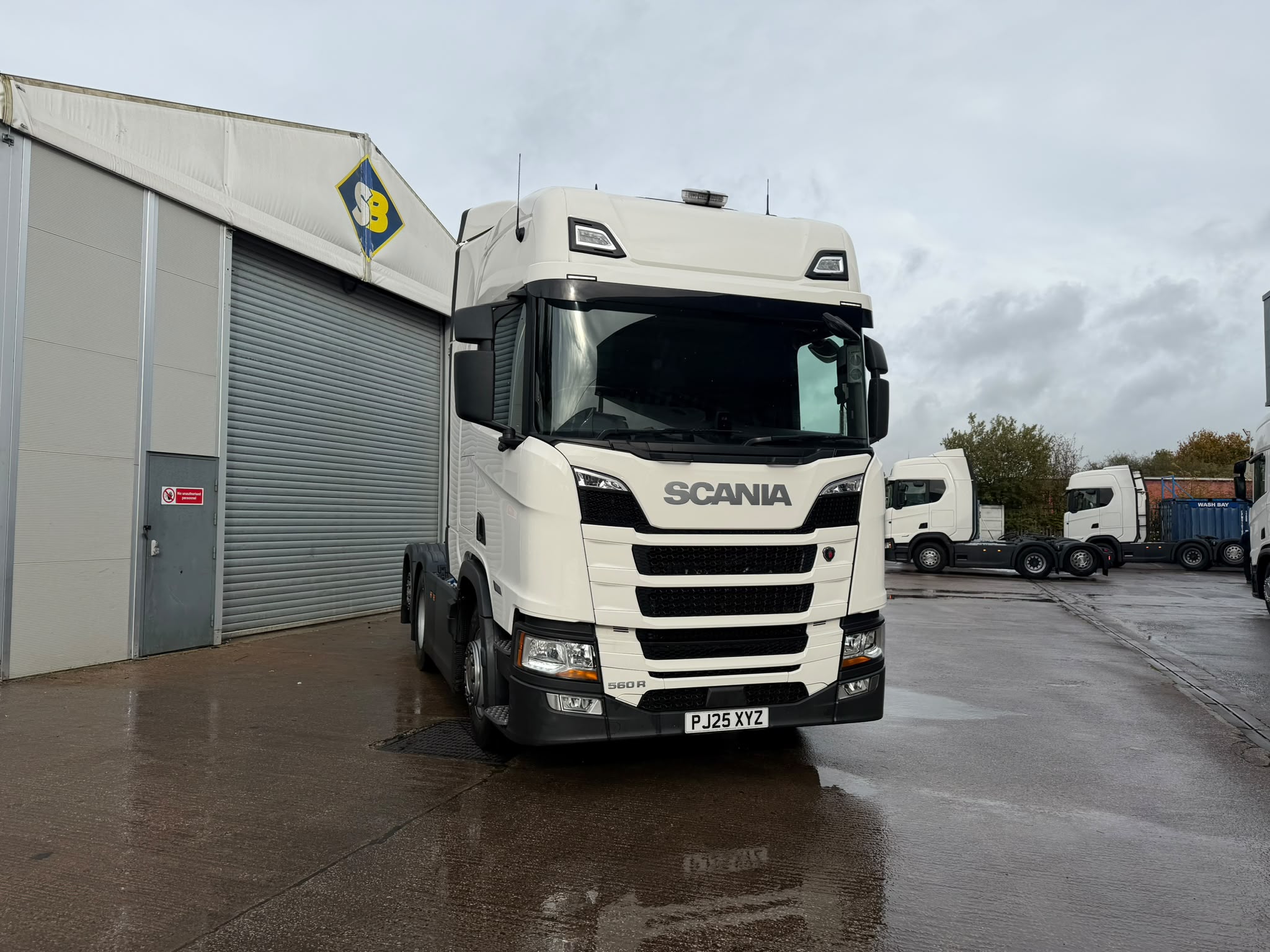
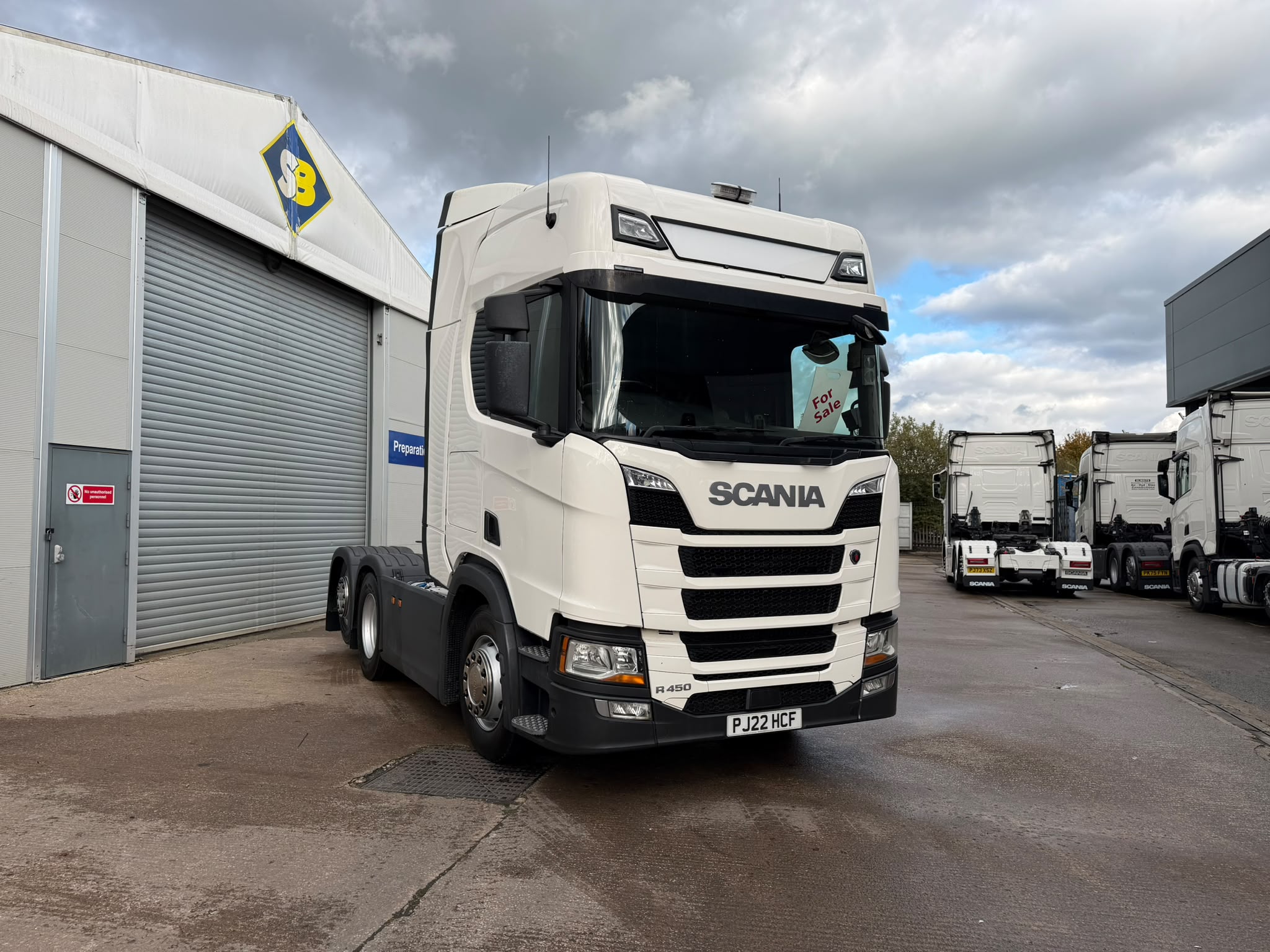
If you’re looking to become an HGV driver or you’ve just started your career and are in the market for a new vehicle, we’re here to help at Smith Bros. We have a premium range of new and used trucks for sale to suit drivers at every stage of their career.
What is the National Average Salary for HGV Drivers?
According to Government statistics, HGV drivers in the UK earn between £27,000 and £47,000 a year.
This figure represents the midpoint for pay across the UK and includes a mix of regional and local salaries alongside the starting and expert salary levels. HGV drivers earn above the national UK average wage, highlighting the skill and responsibility required in this career.
These figures can vary depending on a number of factors.
New Starters vs Experienced Drivers
Newly qualified drivers will earn the lower end of the pay scale at around £28,000. This is the base salary for most drivers entering the industry for the first time, with experience and additional training and qualifications leading to higher salaries.
Once drivers have hit these markers, salaries can rise to around £32,00 to £40,000 after a few years of experience.
For highly qualified and experienced drivers, salaries can reach £45,000 and well above, especially for drivers in specialised roles. Reliable drivers with consistent high performance are more likely to be given more complex routes and technical vehicles, leading to an increase in pay.
Weekly and Hourly Pay Rates
Although most salaries are averaged in annual earnings, many HGV drivers are paid a weekly or hourly rate as they do not work a fixed work schedule with a 9-5 structure like other jobs. A work week for HGV drivers is flexible, with the maximum number of hours in most cases being 56 a week.
The hourly rate tends to range between £15 and £18 an hour, meaning that the maximum intake per week can average £864. Some drivers may have guaranteed hours, whilst others may work part-time or work hours depending on demand. This greatly affects how much HGV drivers earn on average annually.
Regional Differences
Where your haulage business operates also influences salaries. Locations like London and the South East offer higher salaries in general, meaning that HGV drivers can benefit from thousands on top of the national average each year.
Some companies also transport goods across the channel to locations like France, which often adds to a driver’s salary.
Areas outside of London tend to have a lower salary average, but as a whole, the HGV industry still has competitive pay compared to other industries.
Licence Type and Specification
There are different types of HGV license which allow you to operate different vehicles.
Class 1 – This licence covers category C and E vehicles, allowing drivers to operate vehicles weighing up to 3.5 tonnes with an added trailer or 7.5 tonnes. This covers articulated lorries and typically earns more pay than Class 2 drivers.
Class 2 – This licence covers all rigid lorries over 3.5 tonnes but doesn’t include the addition of a trailer, meaning that vehicle choice is more limited and therefore often results in drivers earning slightly less.
Specialist roles like hauling hazardous materials or operating lorry-mounted cranes also increase pay due to the additional qualifications needed to carry out these jobs.
Overtime and Bonuses
A lot of HGV drivers can increase their earnings through overtime or bonuses. Drivers can receive overtime pay for hours worked outside of their contracted hours, as long as the hours don’t exceed the legal maximum of 56 per week. Overtime pay is often more than standard salary per hour, leading to a nice increase in salary during times of seasonal demand or staff shortages.
Many companies offer bonuses or higher salaries for working unsociable hours, including weekends and night shifts, whilst some employers may reward drivers with bonuses for working during holiday seasons or for good work throughout the year.
For drivers who regularly take overtime outside of their contracted hours, their earnings can rise well above the £48,000 threshold each year.
Type of Employer
A wide range of businesses require HGV and haulage services, and the industry you’re employed in can have a large impact on salary.
Big brand supermarket names and logistics firms with large-scale operations often offer competitive salaries, contracted shifts and a number of employee benefits.
Local or more general haulage companies often work based on contracts acquired, leading to a fluctuation in pay depending on demand. This same structure also applies if you are an independent HGV driver.
For specialist transport companies, hours are often longer and the job more demanding, but drivers are well compensated for their time and qualifications with higher hourly salaries and better job perks.
Final Thoughts – Reliable, well-paid potential with a HGV career
HGV drivers have the potential to make solid earnings in the UK, especially when compared to other careers. With ample opportunity to grow, develop and take on specialist work, the room for salary increases is wide.
This career also balances professionalism with flexibility, allowing a steady income to be made from untraditional hours and extra measures like overtime. Although hours can be long and drivers spend time in extended periods away from home, the stability, salary potential and job progression on offer for HGV drivers make this a rewarding career.
If you want to know more about the industry or learn more about the different vehicles and requirements, we’re here to help. Get in touch with our experts today or take a look at our blog for a deep dive into the HGV industry.