01925 202020

FEATURED TRUCKS

Scania Tractor Unit
Tractor units

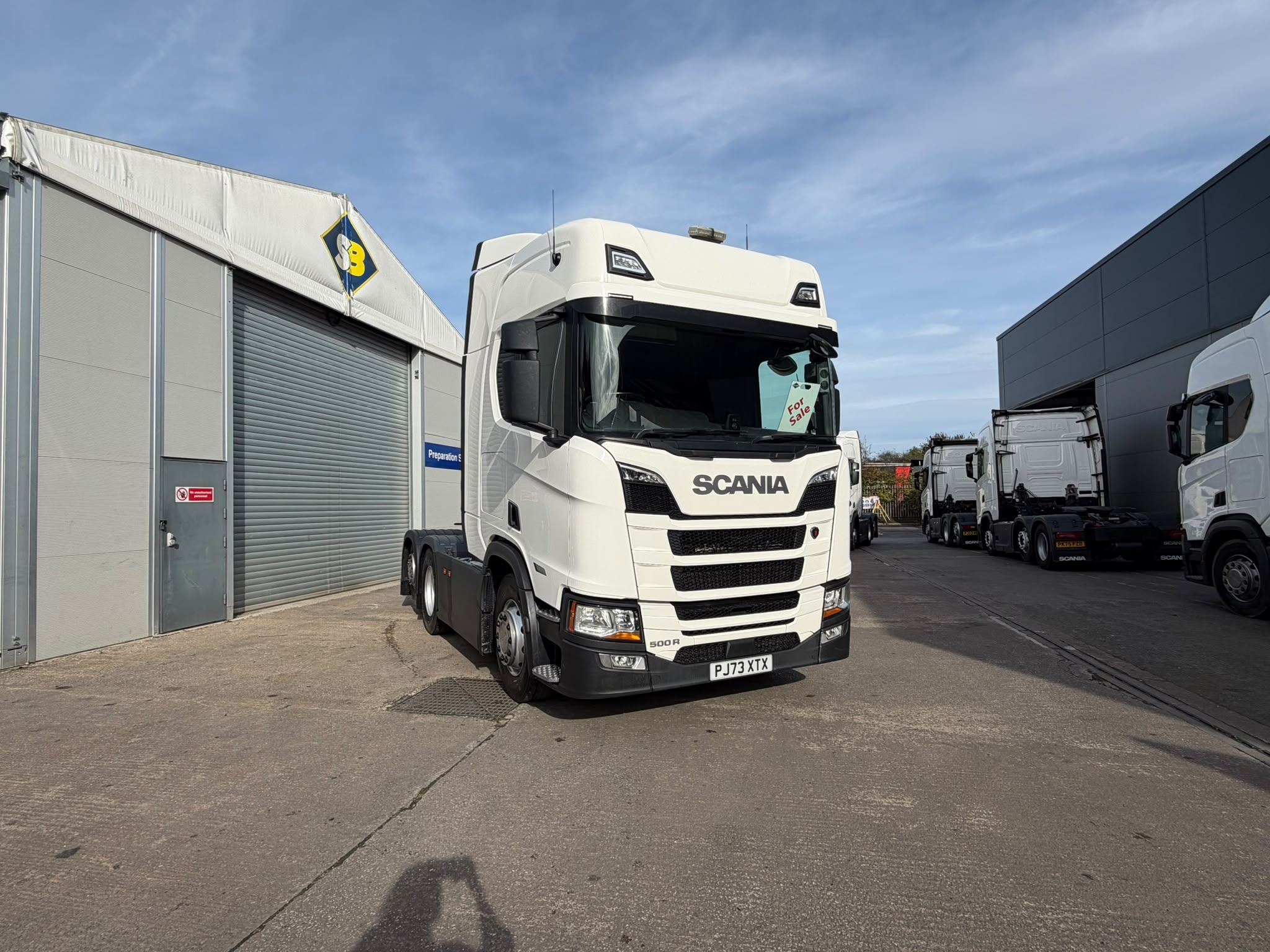
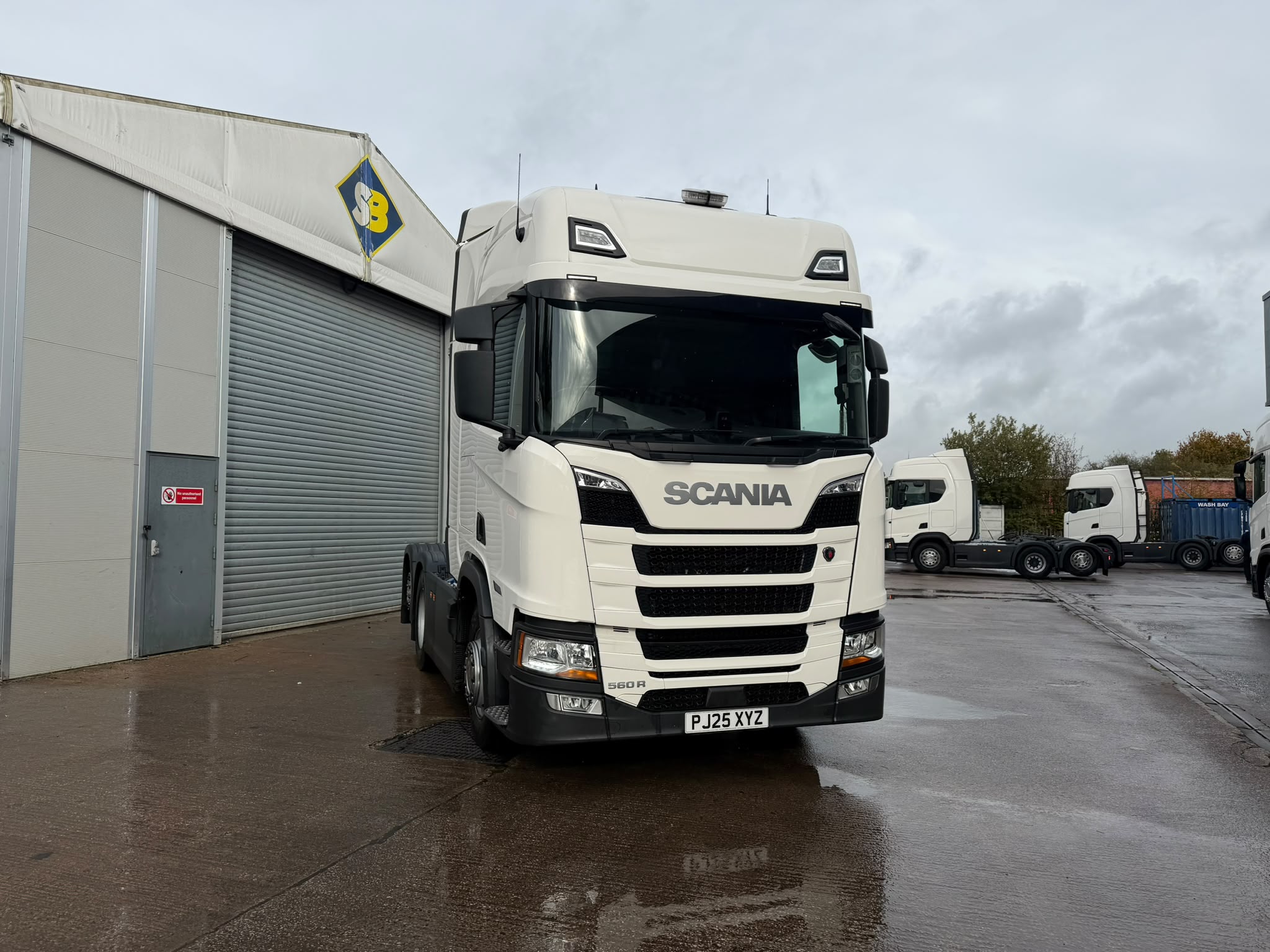
2025 25 Plate SCANIA 560R Tag Axle – PJ25XYZ

  • 490,121 Kms
  • Tractor Unit
  • 2025
  • 560 Bhp
Scania Tractor Unit
Tractor units

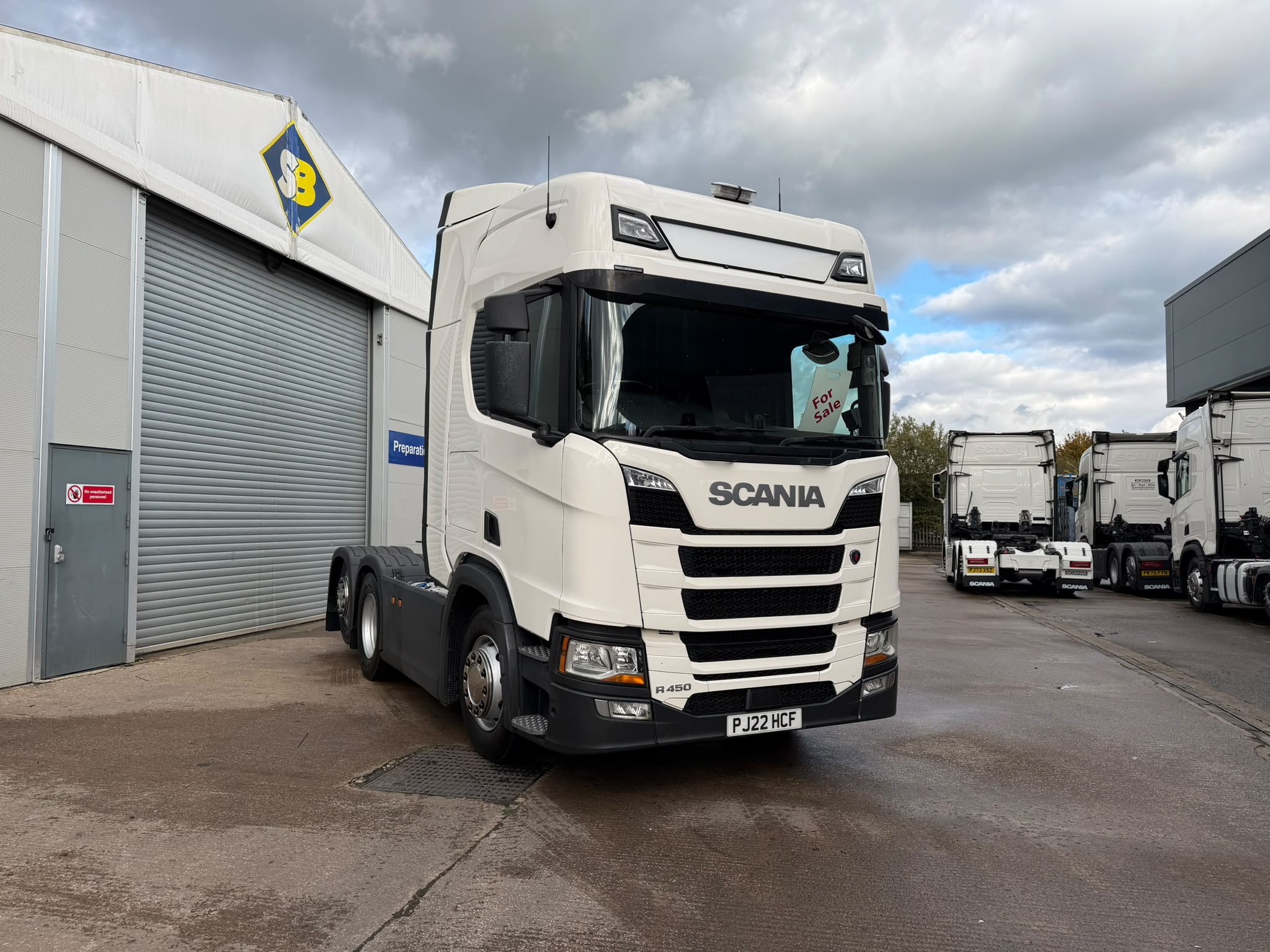
2022 22 Plate SCANIA 450R Tag Axle – PJ22HCF

  • 490,121 Kms
  • Tractor Unit
  • 2022
  • 450 Bhp
Scania Tractor Unit
Tractor units

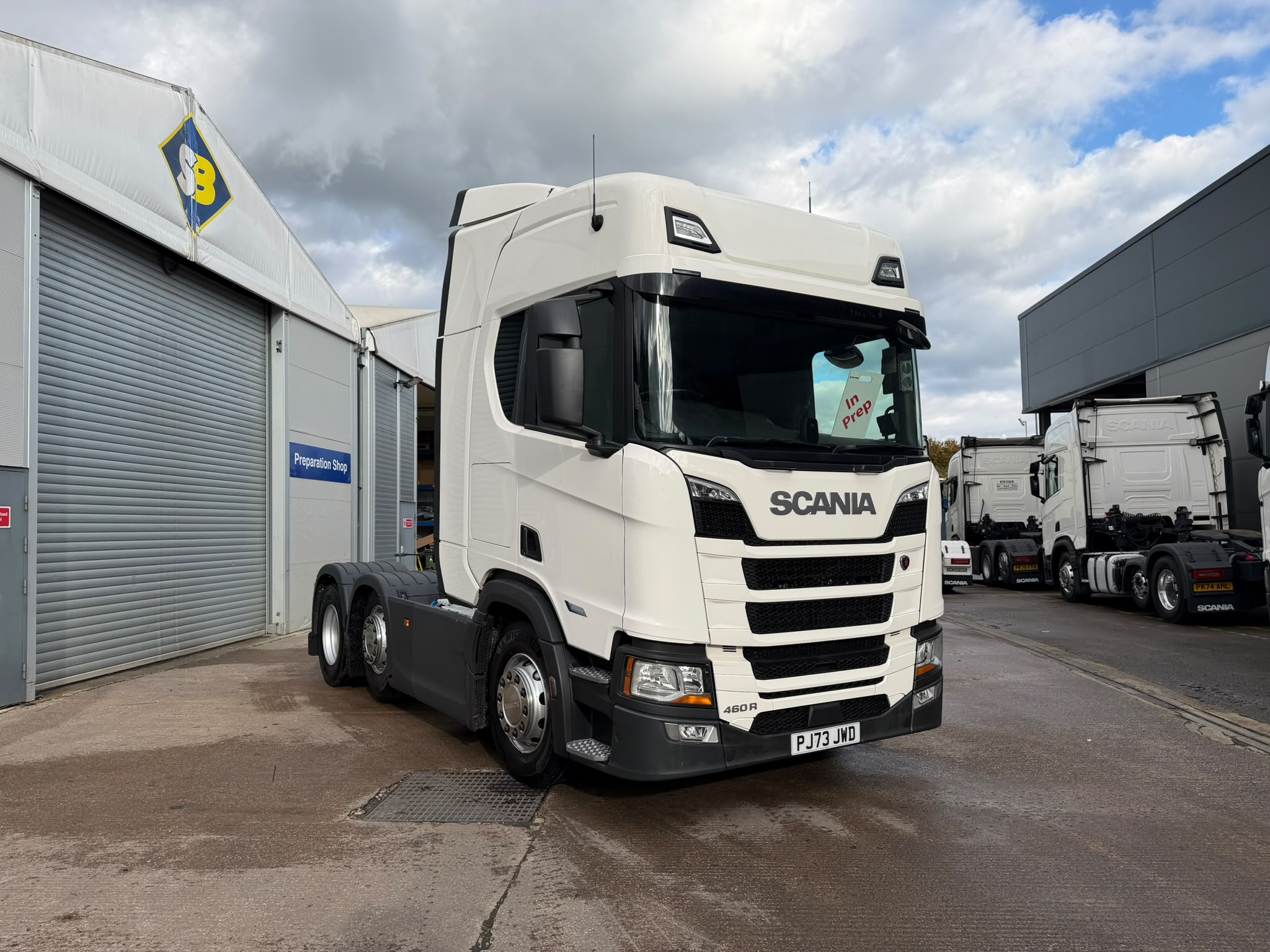
2023 73 Plate SCANIA 460R Mid Lift – PJ73JWD

  • 490,121 Kms
  • Tractor Unit
  • 2023
  • 560 Bhp

Top Truck Maintenance Tips for Your Fleet

GET IN TOUCH

As a fleet owner, it’s your legal responsibility to make sure your vehicles are safe to be on the road. General wear and tear happens over time, but keeping on top of your truck maintenance is crucial for protecting drivers and other road users.

What’s more, preventative maintenance means you’re more likely to spot minor issues before they develop into major problems and cost a hefty sum to fix.

Whether you’ve got a brand new fleet or a selection of pre-owned trucks, in this blog we’ll cover our top truck fleet maintenance tips to keep your trucks in the best condition and ensure you’re staying compliant on the road.

1. Inspect tyres regularly

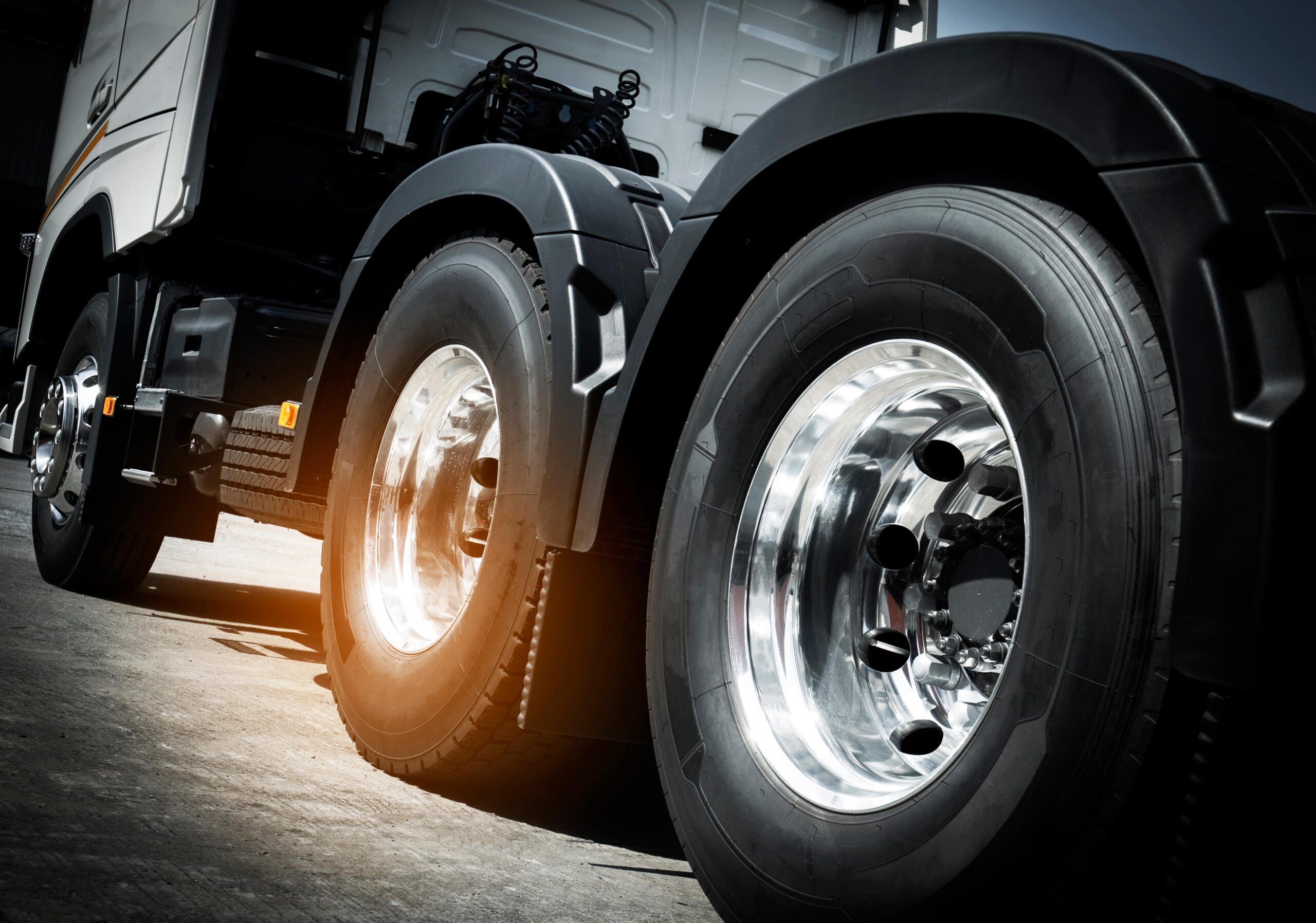
Regardless of how big or small your fleet is, checking that your tyres are in good condition before and after every journey is essential.

There are two main things you need to check when it comes to tyres:

Tyre pressure

Make sure that the tyres on your trucks are inflated properly to avoid uneven wear. This helps to maximise fuel economy and provide optimum traction, braking, and load-carrying ability at all times.

Tyre condition

Examine your tyres closely for any signs of substantial wear. A worn-down tyre offers less grip on the road, which increases the chance of an accident occurring. Checking the tread depth of every truck in your fleet regularly is essential to keep your drivers and other road users safe. This also reduces the likelihood of being fined if your tyres don’t meet the necessary safety standard.

No matter whether your fleet consists of large tractor units or small rigid trucks, any worn-down or punctured tyres should be replaced immediately and the truck taken off your haulage rota until this process is completed.

lorry-tyre-check

2. Check oil levels

Ensuring the oil levels are correct in all of your vehicles is an important part of your truck fleet maintenance process. Oil serves several essential purposes in HGV haulage:

– Lubricates the components found in the truck’s engine

– Transfers heat from moving parts to safer areas

– Guards against corrosion

– Removes contaminants that could otherwise damage the engine

If the components in the truck’s engine aren’t lubricated properly with fresh oil, the engine can overheat and completely break down. This puts your vehicle out of commission, leading to a loss of income and delays, which can strain client relationships. It can also pose a huge safety and fire risk if not addressed properly.

Keeping your trucks topped up with fresh oil can be costly, but it’s nowhere near as costly as having to replace entire engines. Lubricating parts and oiling your trucks helps to minimise downtime and ensure you’re providing a reliable service for your customers.

3. Invest in fleet management software

Utilising fleet management software is a brilliant way to stay on top of fleet maintenance. This software helps manage daily workflows and provides automated reminders for upcoming official inspections, refueling, or routine maintenance. Fleet management software also accurately logs service history and maintenance records from your fleet to use as a reference and for inspection purposes.

Standardising this software across all vehicles not only helps to keep drivers on top of maintenance and inspections, but it also helps to streamline operations by reducing downtime from unexpected issues and repairs.

4. Train all drivers on maintenance responsibilities

Although the legal responsibility for maintenance rests with the fleet manager, your drivers are the first line of defense for preventative maintenance measures. Ensuring all your drivers are trained on how to conduct maintenance and safety inspections on their vehicle and raise any issues before and after journeys is the easiest way to spot failures or hazards before they become a costly maintenance issue.

Armed with easy-to-use fleet management systems, drivers can log any issues, check inspection results, and maintenance can be arranged and new parts or components sourced for fast repairs. Keeping your drivers up to date on maintenance processes and reporting will also ensure consistency with compliance across your whole operation.

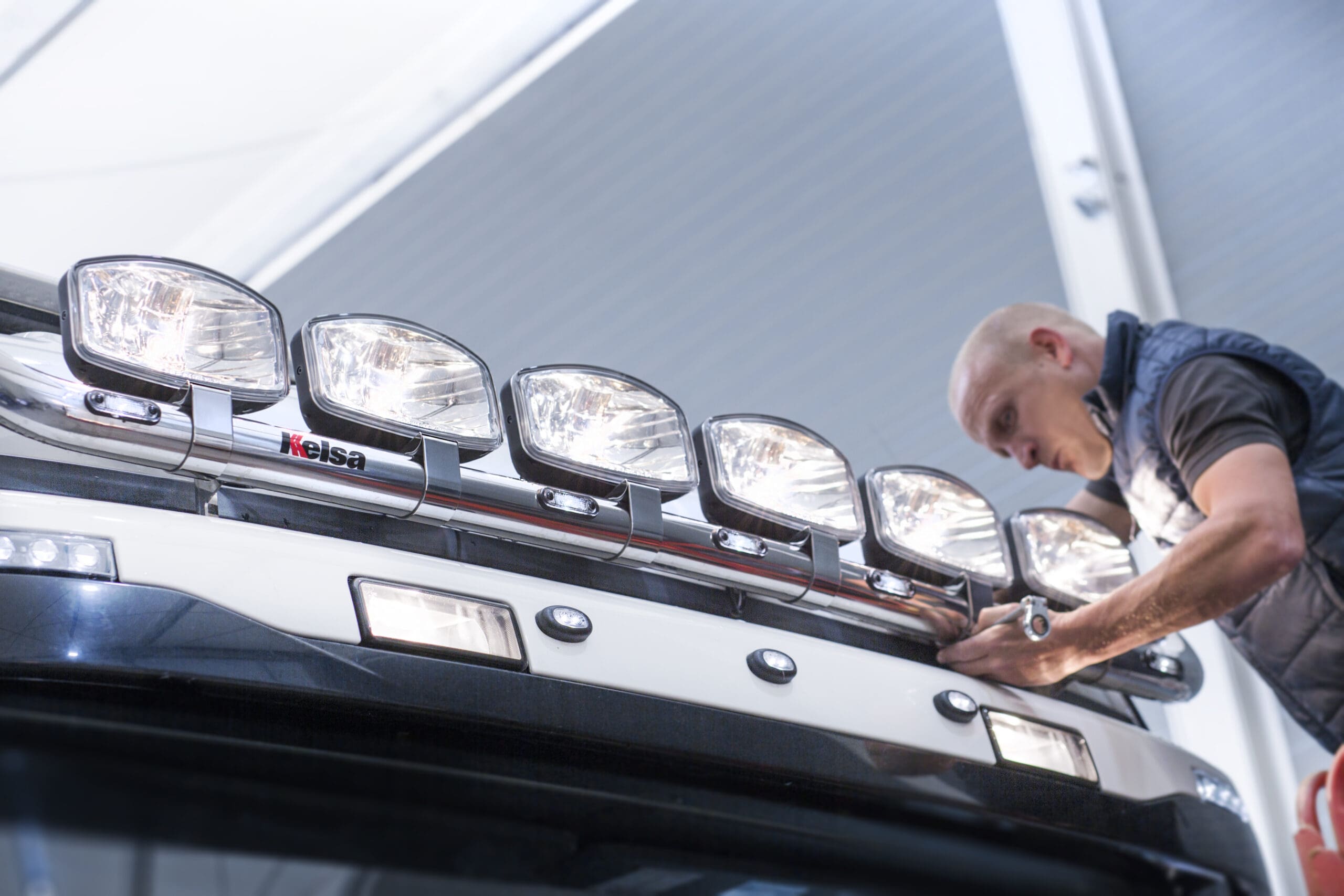
Engineer fitting the lights to the top of a Scania truck.

5. Check all exterior lighting

Checking that all of the exterior lights on your trucks are working before every journey is a quick, easy, and crucial task.

A walk around your vehicle will help to catch any burnt-out bulbs that need replacing before the truck heads out onto the road. This includes all of your headlights, brake lights, hazard lights, and indicators.

Failure to notice a burnt-out bulb could result in a driver being pulled over by the police or, in worst-case scenarios, could even lead to an accident.

This quick check of your trucks’ lights should be a regular part of your truck fleet maintenance process and helps to ensure your trucks meet safety obligations.

6. Check exterior truck bodies for damage

It might seem simple, but regularly inspecting truck bodies for signs of damage is also an important part of fleet vehicle maintenance.

Some exterior components of your trucks may easily detach if they’re damaged, which could pose a major safety risk to other road users if the damage has gone unnoticed. It’s also much easier to replace a damaged component immediately after an inspection than it is to scramble to replace it when the vehicle is in operation.

The appearance of your trucks also reflects your business and brand, and noticeable damage to your trucks can make customers and other drivers think that your business is unprofessional.

Refreshing your truck’s exterior is easy, and experts like us here at Smith Bros offer bespoke painting and wrapping services to get your fleet looking its best.

7. Standardise inspection processes

Ensuring all inspections are standardised across your fleet is essential for ensuring your maintenance costs are manageable, and you’re not hit with surprise fees. Implementing daily driver inspections and ensuring these findings are reported helps fleet managers stay up to date with the real-time condition of your trucks.

Creating inspection processes that meet the Department of Transportation and HGV walk-around check guidance provided by the Driver and Vehicle Standards Agency will ensure you’re covering all areas of your responsibility and ensuring seamless inspections across your entire fleet.

8. Replace tyres and brakes regularly

Replace truck components that wear down over time, such as tyres and brakes, regularly. This should be done before any problems actually arise to minimise the chance of accidents occurring.

Frequently check your tyres and brakes and replace them when they reach the minimum wear condition. If you notice even the smallest sign of wear and tear, it’s best to err on the side of caution and replace the affected parts as soon as possible.

When examining your brakes, you should also look for uneven wear side to side and front to back. This could be a sign that your brake system isn’t balanced and needs repairs or adjustments to function properly.

Ensure top performance with premium maintenance services

Carrying out proper truck maintenance ensures your trucks stay in the best possible condition for the longest amount of time. For maintenance made easy that keeps your fleet compliant with road safety regulations, we offer repair and maintenance services here at Smith Bros. 

With expertise in servicing a range of brands and truck models, including Scania, our experts will work to keep your trucks in top form for long-term use. 

If you’re looking to invest in a new truck or want to know more about our services, simply get in touch with our team online or give us a call directly on 01925 202020.

OUR NEWS

What is a Rigid Truck?

When you’re looking for a new truck, whether it’s for independent haulage or as a new addition to your fleet, knowing the right type of truck to invest in is important. Rigid trucks are...

READ BLOG
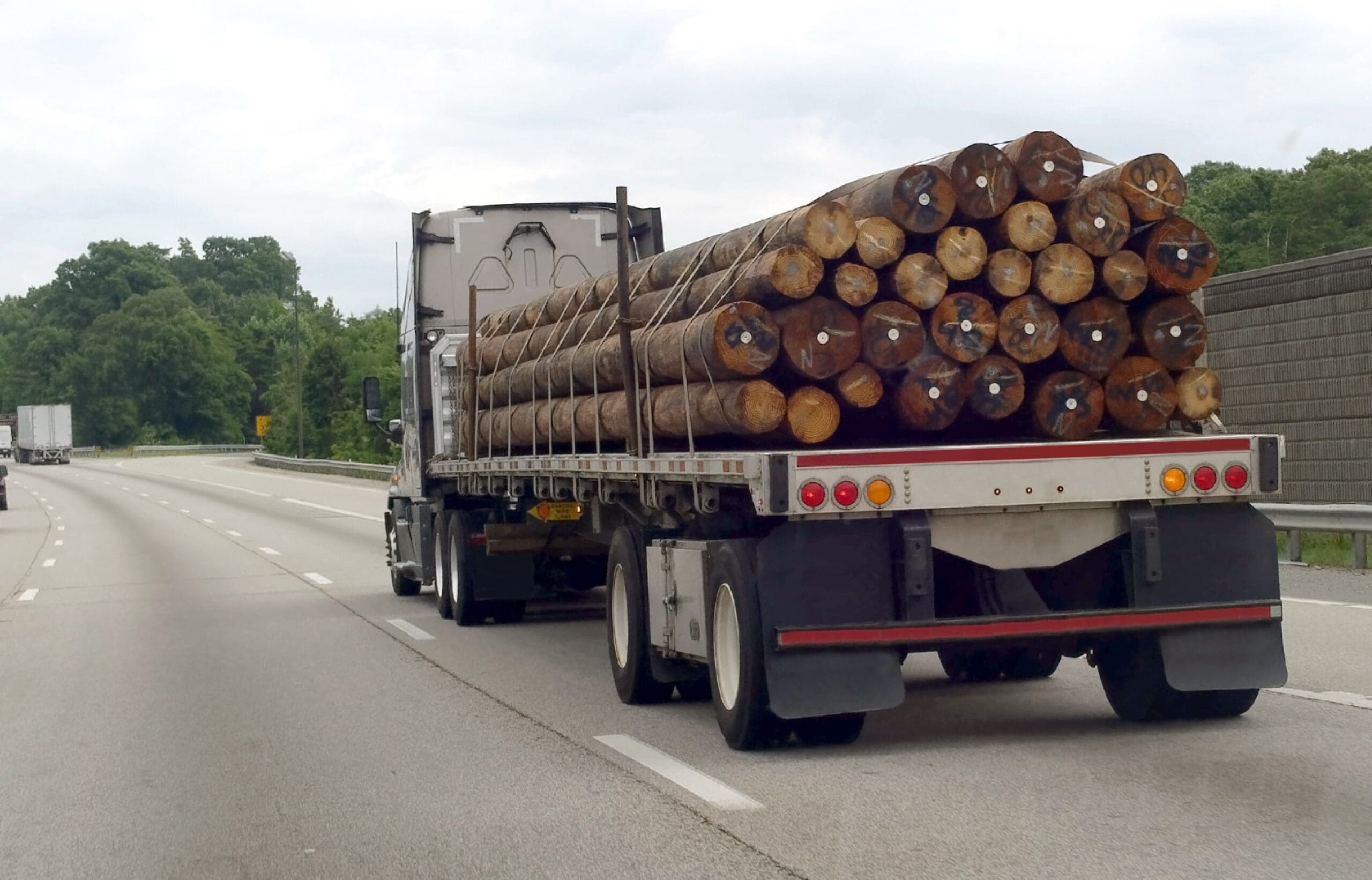
What is a Flatbed truck?

The truck and lorry industry is home to a range of different types of vehicles that offer different specifications to suit different tasks. Flatbed trucks are just one of these many types, with this...

READ BLOG