One of the most important jobs of a fleet operator is the proper distribution of funds in order to maximise profits. One of the best ways to achieve this is by having tight control over your fleet fuel costs, actively looking for ways in which you can reduce expenditure in this area.
With fuel prices at an all-time high and likely to stay at an expensive rate, getting ahead and doing what you can to reduce fuel costs can help control your biggest expense.
In an era where funds are tight, you might not think it’s the right time to invest in a new vehicle, but switching to electric HGVs can be an effective solution to the fuel cost crisis. In this blog, we’ll discuss how to control fleet fuel costs and explore why an electric vehicle might be the right choice for you.
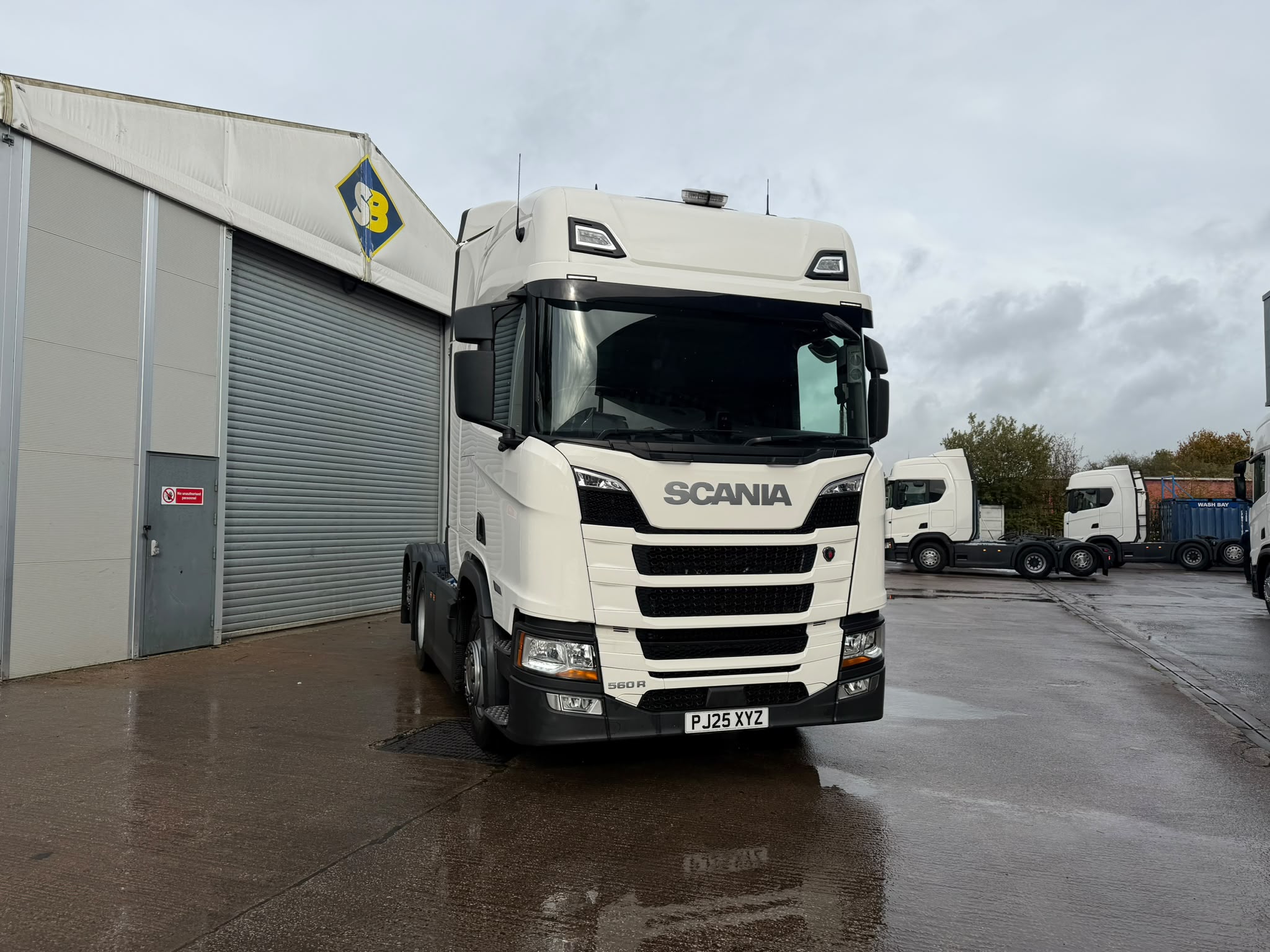
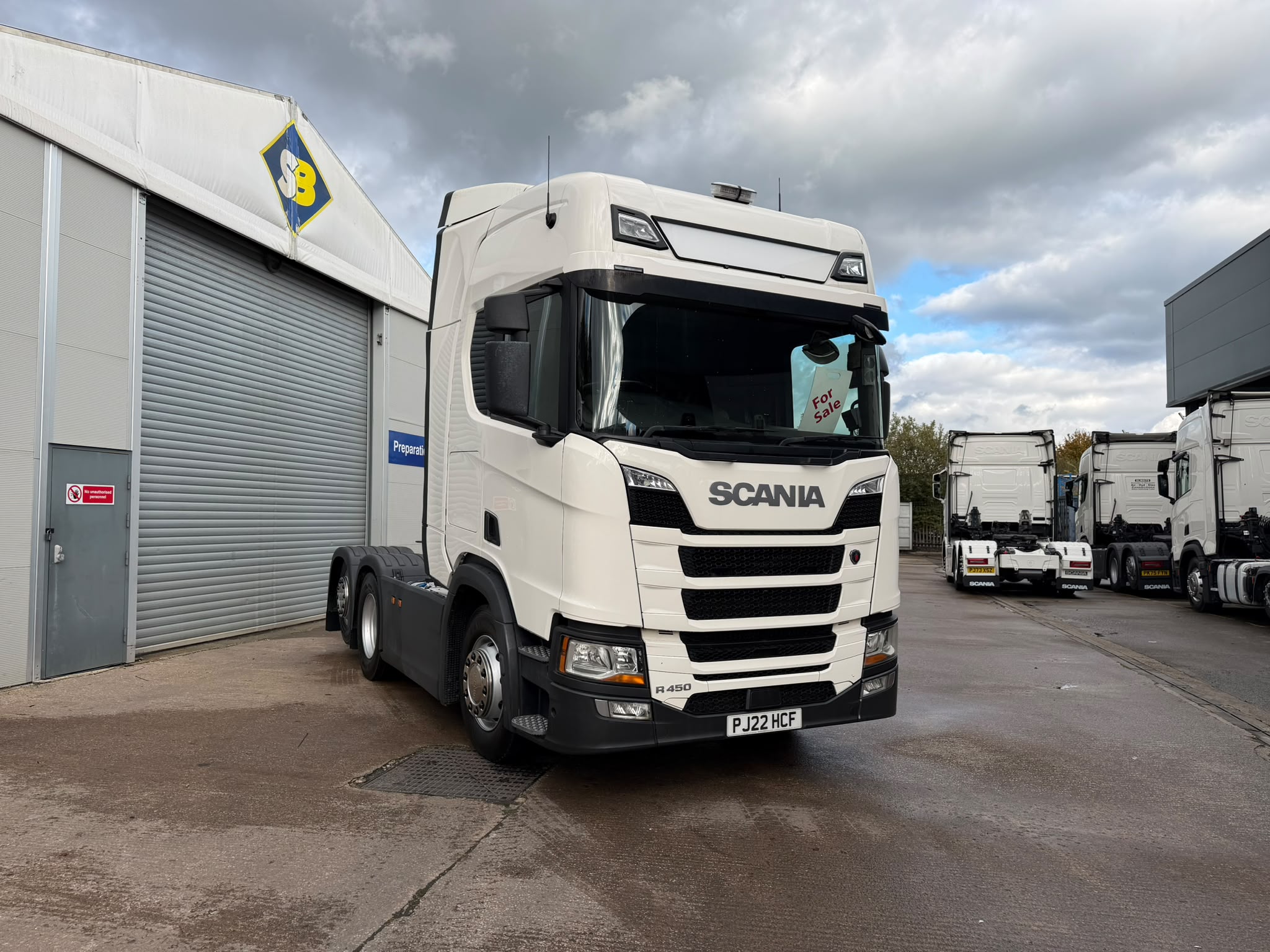
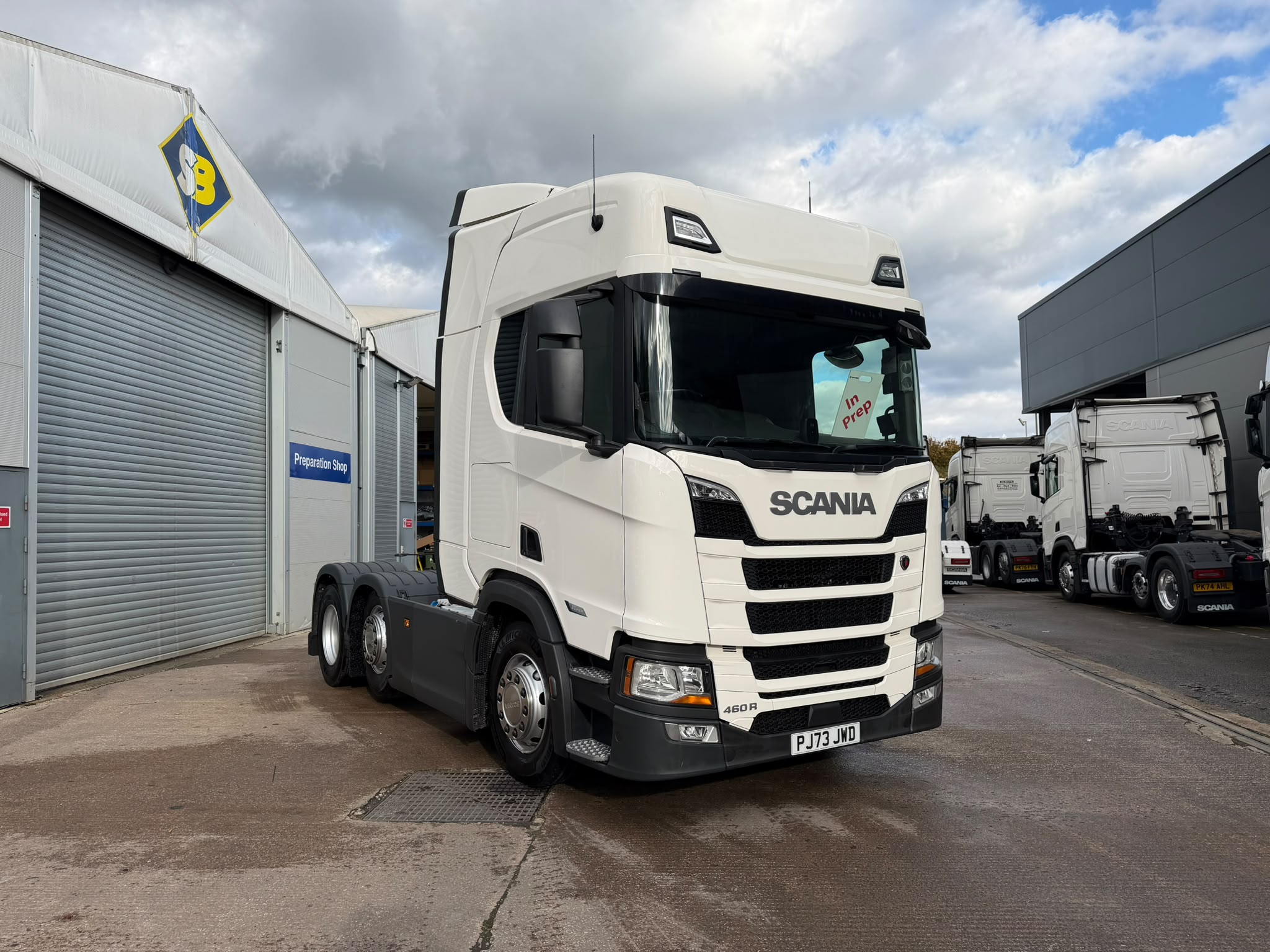
Here at Smith Bros, we’ve been helping companies optimise their operations for decades with our modern and efficient trucks for sale.
Investing in electric – Why it’s the perfect time to upgrade your fleet
Fuel costs are one of, if not the biggest, expenses for haulage companies, and with the fuel crisis having no end in sight, there are limited ways businesses can control costs without making big changes.
Our Finance Director, Dave Lindop, says that:
“Investing in an electric HGV right now is the best bet in combating the soaring fuel prices. Although the initial investment is high, you’ll save a huge amount on fuel over time and can also benefit from other savings thanks to the efficiency of many modern electric makes that are becoming more versatile alternatives compared to diesel HGVS”
Electric trucks can convert much more of their stored energy into kinetic motion when compared to petrol or diesel, which results in more time on the road for a lower price. There’s also a number of incentives to switch to sustainable energy, including a government electric vehicle infrastructure grant for business fleets and useful tax breaks that make EVs an economical solution to your cash flow.
Whilst making the switch to an electric vehicle isn’t the only way to cut fuel costs, it’s our goal here at Smith Bros to help businesses make measurable steps into sustainability, and we want to do all we can to ensure the stability of our industry. If you’d like to invest in an electric truck, get in touch with our team, and we can help discuss your options.
Now that we’ve got our important message out there, let’s continue to dive into some of the other ways to help save on fuel costs.
Why controlling fuel efficiency is essential for your business
How efficient are your vehicles at converting the energy in fuel into kinetic movement? Knowing the answer to this question is crucial, and not just because this knowledge will save you money. Optimising your fleet’s fuel efficiency also has the following benefits:
Saves on expenses
This is the clearest benefit. By investing in practical solutions, vast amounts of money can be saved on fuel costs, helping to reduce loss and increase revenue through more efficient travel solutions
Regulatory compliance
Policies restricting emissions are a hot topic in modern politics, but by limiting your business’s carbon output, you can avoid fines and help to protect yourself for the future.
Reduced environmental impact
By making your fleet more fuel efficient, you’re reducing the amount of vehicle emissions that are released into the atmosphere and helping to create more sustainable haulage solutions.
Improved business reputation
By demonstrating a commitment to reducing your carbon footprint and adhering to government regulations, you can improve your business’s reputation and become a more trustworthy and respected name.
The top ways you can reduce fleet fuel costs
From organising your internal business policy to getting your hands dirty with the maintenance of your fleet, there are several ways you can reduce fuel costs in order to streamline your expenditure.
1. Optimise routes with fleet management software
Using fleet management software is one of the very best ways you can manage your fleet, having oversight of everything from fuel optimisation to safety on the road. Developing alongside the rapid acceleration of artificial intelligence (AI), modern fleet management software incorporates AI to optimise routing, providing the best possible solution that will allow you to avoid needless detours and time-consuming traffic jams.
AI-enhanced fleet management systems will advise your drivers to take less congested routes, reducing travel time and improving fuel efficiency in the process. By using such systems, you can avoid your drivers getting caught in heavy traffic that costs your business considerable time and money.
2. Invest in telematics for data analysis
Telematics and fleet management software differ slightly from one another. A telematics system gathers essential data from the tracking of a driver’s journey, with this data often being interpreted by fleet management software to optimise overall operations.
By installing a robust telematics solution, you can track the exact location of your fleet and monitor everything from their speed to the vehicle’s driving behaviour. Providing real-time feedback from GPS tracking data, this information, including how fuel efficient your driver is being on the road, can be used for essential feedback sessions in order to save money in the long term.
Discover below how Volvo’s Dynafleet uses telematics to optimise fuel efficiency.
3. Stay on top of vehicle maintenance
An unhealthy vehicle can lead to a dramatic reduction in fuel efficiency. Due to the fact that they’re used on a daily basis, trucks can easily develop issues, such as inefficient fuel injectors or clogged air filters, which can both lead to poor engine performance and a reduction in fuel efficiency as a result. An inability to recognise and address such issues could certainly lead to higher expenditure.
The best way to maintain the quality of your vehicles is to conduct regular HGV safety inspections, which involve a complete internal and external inspection of the vehicle to check for faults. To keep commercial vehicles roadworthy, you should incorporate these checks into your daily and weekly routine in order to adhere to legal requirements.
4. Change employee driving behaviours
It’s all well and good implementing standards to make your fleet more fuel-efficient and cost-saving, but if the drivers themselves aren’t adhering to best practices, the results won’t be as impressive as you think. Instead, the driving behaviour of your drivers should be changed in order for their habits to ensure fuel-efficient driving and create a reliable, long-term solution.
So, what kind of behaviours should be avoided to optimise fuel efficiency? A whole range of behaviours can be damaging, from aggressive driving techniques, such as sudden acceleration and sudden braking, all the way to seemingly harmless choices such as the prolonged use of air conditioning. Instead, drivers should be taught that steady driving is optimal for performance and fuel efficiency.
5. Select fuel-efficient vehicles
If you’re not ready to invest in a fully electric vehicle, there are still options for fuel-efficient vehicles. You should begin by selecting a vehicle that’s best suited to your daily operations. This not only helps optimise fuel efficiency, but it will also improve driver comfort and overall safety. Match the size of the vehicle to the needs of the task, as the fuel efficiency of a flatbed truck compared to rigid, for example, can be very different.
Some truck types and brands are more fuel-efficient than others, with Scania priding itself on its economical features that are installed into each of its contemporary models. Enjoy an Opticruise gearbox, a specially designed aerodynamic body, Eco-roll and much more with Scania’s range of trucks for sale at Smith Bros.
6. Shop around for the best fuel card
Every haulage company should have a fuel card. If you don’t, having one means you can save money on fuel costs, so make shopping around for the best one a priority. Most fuel cards operate with volume-based pricing, which means you can receive increasing benefits depending on your loyalty to the brand, saving you money on fuel while also giving your fleet manager an efficient way of tracking fuel efficiency.
Much more than just a money-saving perk, fuel cards allow management to track fuel purchases and manage consumption on the road. Since they can only be used by verified employees to purchase fuel for specific vehicles, the use of a fuel card also helps to protect against fraud.
7. Optimise your tyres
We’ve already talked about staying on top of the maintenance of your vehicle, but one area that is easily overlooked is your vehicle’s tyres. While it can be tempting to save money by buying budget tyres, this choice will cost you later down the road in fuel-inefficient vehicles.
One of the key things to consider when purchasing tyres is rolling resistance, which accounts for a good portion of the truck’s total fuel consumption. Long-haul trucks should have low rolling resistance in order to improve the overall performance and fuel economy of your vehicles. Indeed, truck tyres contribute around 30% to the vehicle’s fuel economy, saving you money on fleet costs while also helping to reduce your company’s carbon footprint.
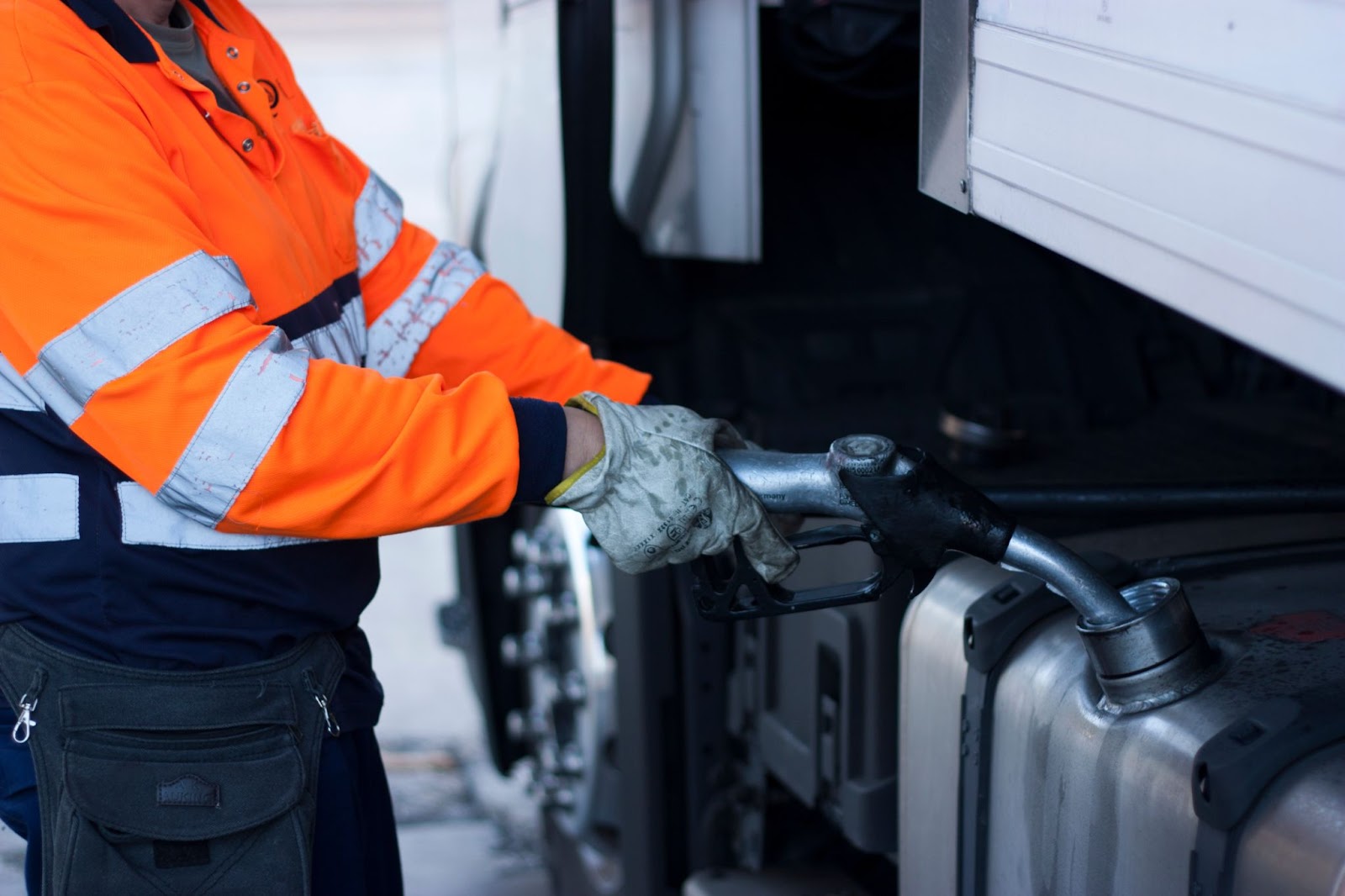
Reduced fleet fuel costs with Smith Bros
The strategy for reducing fleet fuel costs is a long-term solution, providing gradual savings over years of operation. An optimised procurement strategy would cover everything from how vehicles are leased or bought to a list of requirements for fuel efficiency and truck maintenance. A robust strategy would also include guidelines for preferred fuel suppliers to make sure your drivers are saving as much money as possible on the road.
By implementing this, you can help your business get the best value for money, support internal sustainability goals, and further improve the fuel efficiency of your fleet.
As haulage experts, at Smith Bros we are ready to help your company in matters both big and small. Looking for advice about fleet management? Contact us and reach out to our team.