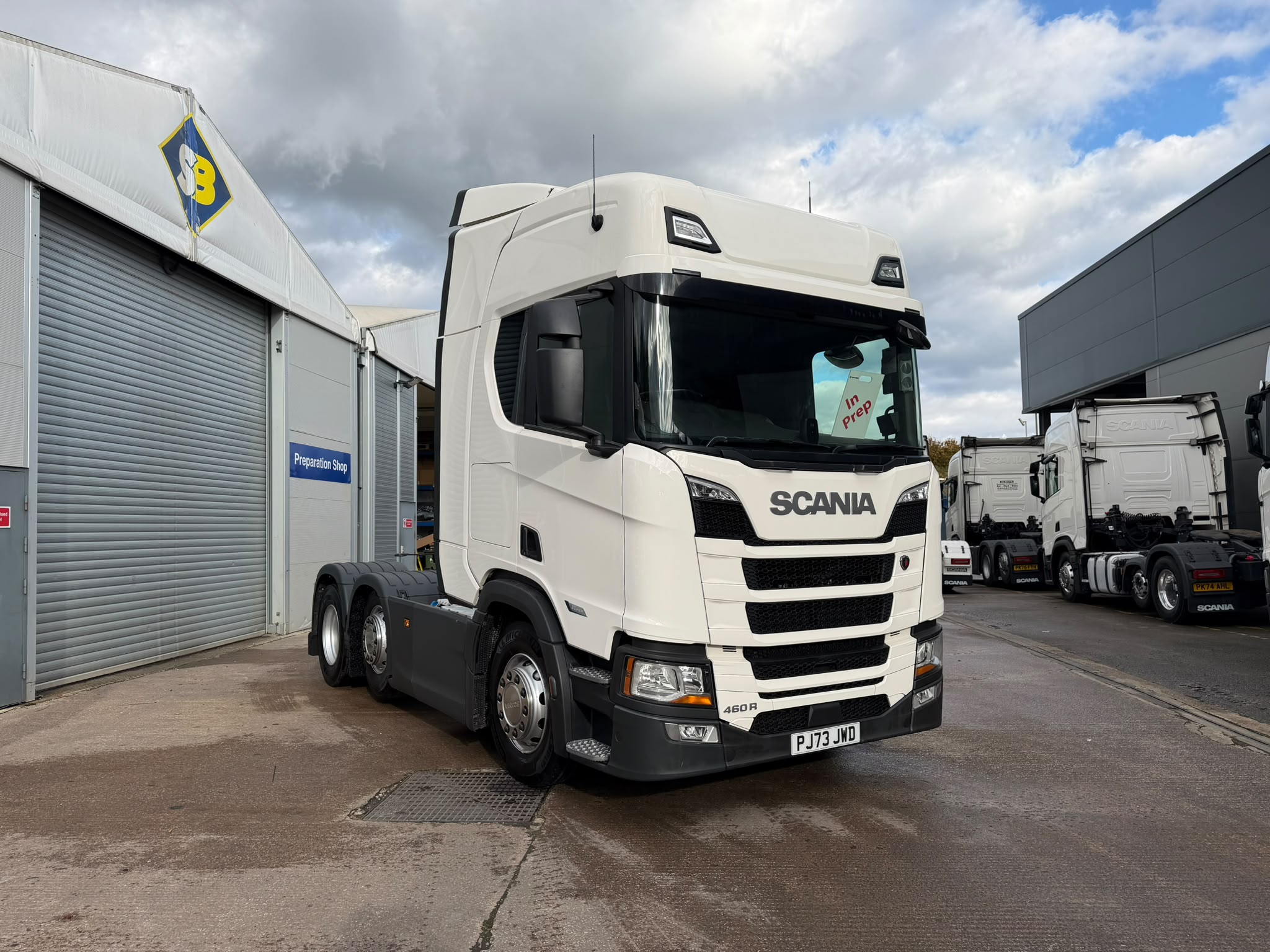
The trucking industry has undergone significant changes in the last few years, and it’s expected to transform even more as we approach 2027. With new advances in technology, changing consumer needs, and new rules and regulations for HGVs, we can expect to see a large shift in the industry in the coming years.
To ensure both manufacturers and businesses remain competitive and industry compliant, it’s important to know what could be expected to change, so let’s dive into the expected trucking industry trends for 2027.
Interested in the best models on the market? We have a range of trucks for sale at Smith Bros that will keep your business on top and on trend for years to come.
1. Hydrogen fuel cells for HGVs
Whilst electric vehicles and batteries are becoming increasingly prevalent in new HGV trucks, 2027 could also bring new hydrogen fuel cells (FCEVs) to the world of commercial haulage. This technology is a highly eco-friendly alternative to fossil fuels as well as renewable when the right processes are used.
Although these vehicles are not as popular as electric vehicles due to issues like high costs, as interest in FCEVs and technology begins to develop around the world, it’s possible that we may see some FCEVs from brands like Scania gain more popularity and become more accessible in 2027. With the increased pressure to hit Net Zero and further restrictions on non-renewable energy, the need for a range of alternative fuels means we could see commercial FCEVs become more mainstream in Europe.
2. Cybersecurity mandates for 2027
Under new rules set out by the UN, all HGVS need to have integrated Cybersecurity Management Systems (CSMS). With the help of predictive AI software, these systems can help prevent tampering and cyber threats. They can also analyse engine health, brake and tire condition to flag any issues before they result in a breakdown or interrupted travel.
The deadline for this to be implemented in all vehicles is June 2027. This means that by the end of 2027, we could see huge improvements in HGV efficiency and cybersecurity for commercial businesses.
3. The rise of Fleet-as-a-Service
Fleet-as-a-Service (FaaS) is an outsourced business model where a third-party provider delivers an all-inclusive, turnkey vehicle fleet solution. Instead of buying and maintaining vehicles, companies pay a predictable monthly fee covering vehicle acquisition, maintenance, insurance, telematics, and charging infrastructure.
As the pressure mounts for businesses to switch to zero-emission HGVs, by 2027 we could expect to see a change in how fleets are financed. Fleet as a Service models are already becoming a popular option and could become mainstream across commercial transport. Rather than businesses having to make the huge investment of purchasing new vehicles and changing operating systems, haulage companies can instead make monthly payments to rent an eco-friendly fleet and all the technology that comes with it.
This not only helps commercial companies keep costs down, but ensures compliance with new rules and regulations.
4. All electric fleets
One of the most expected developments for 2027 is the increased presence of electric fleets. We’re already seeing a wide range of electric HGVs on the market, but with the government’s push for Net Zero by 2050, it’s likely that electric trucks will only continue to grow in popularity. The government has also planned to phase out petrol and diesel HGVs by 2040, so it’s expected that production of electric vehicles will increase across all manufacturers in 2027.
With more electric vehicles comes the need for more charging points, so these are expected to increase significantly to allow more accessible electric HGVs.
5. More automation and driver assistance
Driver automation and assistance are already a big part of fleet management systems, but this is one of the common trucking industry trends expected to develop in 2027. More autonomous features are predicted to be introduced, which will help to improve fleet management by increasing efficiency and decreasing downtime.
Some of these features include adaptive cruise control and more advanced braking systems, becoming standard on newly manufactured vehicles. It’s also clear that AI will play a greater role in these systems, being used for driver monitoring, route tracking and much more.
Rather than these systems being add-ons, it’s expected that these features will be built into new models during production to help streamline driver experience and safety. These measures can not only help to reduce congestion but can also increase delivery times and save fuel.
6. New skill development for drivers
With the introduction of new systems and AI technology comes the need to train drivers on how to operate these systems. Alongside driving vehicles themselves, drivers will also need to undergo training and development on how to manage and troubleshoot onboard fleet management systems. It’s likely that this will become a necessity for future HGV drivers as the reliance on more advanced technology increases.
Although this is a big change for existing drivers, the introduction of more modern systems into this role may also help attract a new wave of young drivers. There are major concerns regarding driver shortages in the EU, with some sources predicting a complete market shortage by 2029. Despite these fears, integrating modern tech into a traditional role like truck driving could be the key to enticing a new generation of tech-savvy drivers into the profession.
7. Increased pressure for sustainability
With the increasing pressure to hit Net Zero by 2050, it’s not unlikely that the government will introduce further regulations to lower companies’ emissions and use alternative fuels.
Many companies and manufacturers are also taking it upon themselves to become more environmentally conscious, adding further pressure from direct competitors and partners to develop more sustainable fleet management practices. By 2027, green fleets could become a necessity for the success of your business, not just a preference.
8. Changes to urban travel and low-emission zones
Cities are cracking down on carbon emissions, with vehicle tariffs and low-emission zones increasing. With new talks on clear air zones in Manchester and other cities, it’s likely that we’ll see an increase in zero-emission zones introduced or proposed in 2027.
This poses new challenges for HGV owners and requires new strategies to avoid pricey tariffs or fines for driving in urban areas. Companies may need to rethink transport routes or the method of transporting cargo into urban areas.
9. New safety and compliance regulations
It’s expected that stricter road safety regulations will come into play in the following years. By 2027, new rules on compliance technology, speed limits, and safety devices could be widespread around Europe and the UK.
The possibility of new regulations does, however, mean safer roads. Software like compulsory driver monitoring can be crucial in sensing driver fatigue and preventing accidents, whilst smart sensors can ensure cargo is safe and secure on long-haul drives.
10. Growth of the second-hand and used HGV market
With the increase in sustainability and rising costs to businesses, there could be an increase in popularity for secondhand trucks. As larger companies invest in newer compliant vehicles, the second-hand market should rise, meaning that there is more opportunity for smaller businesses to take advantage of a wider range of vehicles to choose from.
Alongside used vehicles, there may also be an increase in used parts like batteries and other pieces, which is ideal for businesses looking to customise and build their own truck interiors from scratch. Not only does this help reduce waste, but it can help businesses save money without needing to rely on brand-new trucks for their fleet.
Stay ahead of the curve with Smith Bros
The trucking industry is heading towards a smarter, more eco-friendly future. By 2027, the shift to electric and automated vehicles will only increase and should help to transform the way we transport goods. Drivers will need to adapt to new technologies, and there is expected to be a shift in the workforce with new interest from younger audiences.
Here at Smith Bros, we’re dedicated to staying ahead of trucking industry trends, buying and selling the best and biggest HGV brands. Whether you want to upgrade your fleet with our custom services or need advice on the best vehicles to invest in, we’re here to help.
Get in touch today and get your business ready for 2027!